生祥樂隊
  • About
  • Albums
  • News
  • Video
  • Shop
  • Contact
  • Account
  • Search
Mobile nav
主唱 / 六弦月琴|ボーカル・六弦月琴

Vocalist /
6-string Moon Guitar

林生祥

Lin Sheng Xiang
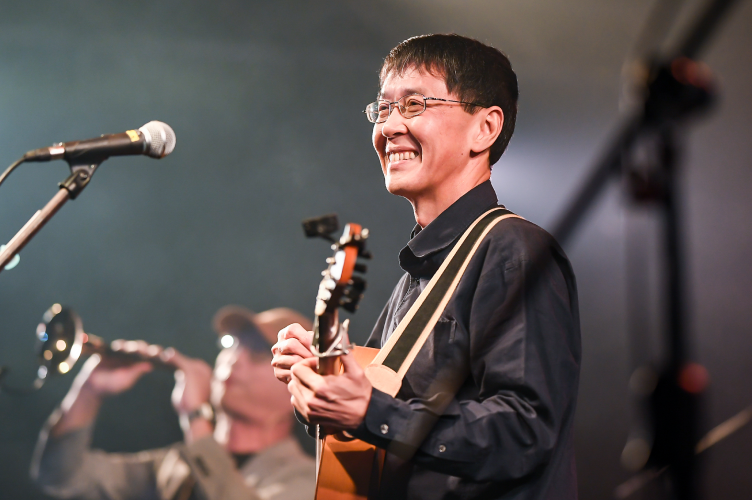
高雄美濃人,樂團主唱/詞曲創作者/音樂製作人。

大學期間成立「觀子音樂坑」樂團,畢業後返鄉,以觀子音樂坑為底改組為「交工樂隊」。2003年交工樂隊解散,繼續與筆手鍾永豐搭檔詞曲創作。2012年,重組樂團「生祥樂隊」,回歸搖滾樂編制。


林生祥的音樂帶有傳統說唱歌謠的詩意,承載了對社會、土地的關懷,根植於自身族群文化,也從歐美、沖繩、古巴到西非汲取各種音樂養分,融合傳統月琴、三弦樂器的元素,打造出獨一無二的「六弦月琴」,開拓具有個人特色的音樂語彙。


「交工樂隊」時期代表作《菊花夜行軍》(2001),嘗試「音樂電影」的思維,成功創造出用音樂說故事的經典;其後《臨暗》(2004)專輯,以「生活配樂」的角度貼近平凡日常;備受好評的《種樹》(2006),飽含蕉風椰雨的熱帶氣息,則來自對「氣候音樂」的探索,隔年獲得金曲獎最佳客語專輯、最佳客語歌手兩獎項,在臺上提出音樂獎項應以類型分類,不應以語言分類的主張,這是金曲獎舉辦以來首次有得獎者拒領獎項,引起社會討論,也埋下日後文化部成立金音創作獎的緣由。2010年以《野生》專輯獲得第一屆金音創作獎的最佳民謠專輯獎。2016年以群眾募資的方式發行《圍庄》概念雙唱片專輯,使用北管和龐克的元素,呼應台灣反石化業運動與廟宇文化的關連性,也突顯工業污染議題的當代性。《圍庄》拿下金曲獎的評審團獎,以及金音創作獎的最佳專輯、評審團獎,專輯中〈南風〉則獲最佳民謠單曲獎。同年,在電影導演鍾孟宏的邀請下,首度參與電影配樂的製作,為《一路順風》寫下〈言午許〉一曲。2017年參與黃信堯執導的《大佛普拉斯》,做滿整張電影配樂,一舉拿下金馬獎最佳電影原創音樂、最佳電影原創歌曲和台北電影節最佳配樂獎,開啟電影配樂的生涯。


2022年推出第十張錄音室專輯《江湖卡夫卡》,將創作的目光轉向自身,描述中年進退失據,走闖江湖的人生寫照。打破過去的創作慣習,林生祥挑戰轉調、變奏與陌生和弦音階,展現不同於以往的音樂風格,以幽默詼諧來面對中年處境,讓人打從心底發出微笑。


Born in Meinong, Kaohsiung, Lin Sheng Xiang is the band’s lead vocalist, songwriter, and music producer. 

During his university years, he founded the band Guanyin’s Sons Music Pit. After graduation, he returned to his hometown and reformed the group as the Labor Exchange Band. Following the band’s dissolution in 2003, he continued his songwriting partnership with lyricist Chung Yung Feng. In 2012, he assembled a new lineup and revived a rock band format under the name Sheng Xiang & Band.


Lin’s music carries the poetic essence of traditional storytelling folk songs, bearing witness to social and environmental issues. Rooted in his Hakka cultural heritage, he also draws musical nourishment from sources ranging from Europe and the Americas to Okinawa, Cuba, and West Africa. By combining elements of traditional instruments such as the moon guitar and sanxian (three-string lute), he created the unique Six-string Moon Guitar, establishing a distinctive musical language.


During the Labor Exchange Band era, the landmark album The Night March of the Chrysanthemums (2001) pioneered a “music-as-cinema” approach, successfully creating a classic of musical storytelling. His subsequent album, Getting Dark (2004), adopted a “life soundtrack” perspective to capture mundane moments of the everyday. The critically acclaimed Planting Trees (2006), infused with tropical monsoon winds and rains, emerged from his exploration of “climate music.” The following year, it won Best Hakka Album and Best Hakka Singer at the Golden Melody Awards. On stage, Lin advocated that music awards should be categorized by genre rather than language, marking the first time in the awards’ history that a winner refused to accept their prize, sparking public debate and eventually contributing to the Ministry of Culture’s establishment of the Golden Indie Music Awards. In 2010, his album Growing Up Wild won Best Folk Album at the inaugural Golden Indie Music Awards. In 2016, he crowdfunded the release of Village Besieged, a double-album concept work that incorporates beiguan and punk elements to echo the ties between Taiwan’s anti-petrochemical movement and temple culture, as well as the urgent reality of industrial pollution. Village Besieged won the Jury Award at the Golden Melody Awards, plus Best Album and Jury Award at the Golden Indie Music Awards; the track “The South Wind” won Best Folk Song. That same year, at the invitation of film director Chung Mong-Hong, Lin made his film scoring debut, composing “Xu, spelled X-U” for Godspeed. In 2017, he scored the entire soundtrack for Huang Hsin-Yao’s The Great Buddha+, winning the Golden Horse Award for Best Original Film Score and Best Original Film Song, as well as the Taipei Film Festival’s Best Music Award, launching his career in film scoring.


In 2022, Lin released his tenth studio album Kafka on the Rivers-and-Lakes, turning his creative lens inward to portray the uncertainties of middle age and the wandering life of a drifter on rivers and lakes. Breaking from earlier compositional habits, Lin experimented with key changes, variations, and unfamiliar chord progressions and scales, presenting a fresh stylistic departure. With humor and wry wit, the album tackles midlife predicaments, evoking heartfelt smiles from deep within. 

高雄・美濃出身。バンドボーカル/作詞作曲家/音楽プロデューサー。

大学時代「観子音楽坑」バンドを結成、卒業後に故郷へ戻り「交工楽隊」に改編。2003年に交工楽隊が解散した後も、作詞担当の鍾永豐とコンビで創作を続ける。2012年には「生祥楽隊」を再結成し、ロックバンドに回帰。


伝統的な語り歌の詩情をもちつつ、社会や土地にも心を寄せている。自身の客家文化に根ざしながら、欧米・沖縄・キューバ・西アフリカなど多様な要素を吸収。伝統楽器の月琴や三弦を融合させ、唯一無二の「六弦月琴」なる音楽言語を築き上げた。


「交工楽隊」時代の代表作『菊花夜行軍』(2001年)は「音楽映画」という発想で、音楽で物語を語る代表的作品となった。その後のアルバム『臨暗』(2004年)は「生活のサウンドトラック」という視点から日常に寄り添う。好評を博した『種樹』(2006年)は熱帯風土を映す「気候音楽」の探求によるもの。翌年、台湾を代表する音楽賞、ゴールデンメロディー賞(金曲奨)で「最優秀客家語アルバム」「最優秀客家語歌手」を受賞。授賞式で「言語ではなくジャンルで評価すべき」と主張し、初の受賞拒否が社会的議論を呼び、後のゴールデン・インディー賞(金音創作奨)設立の契機となる。2010年にアルバム『野生』で第1回金音創作奨「最優秀民謡アルバム賞」を受賞。


2016年にクラウドファンディングで制作したCD2枚組アルバム『囲庄』を発表。伝統音楽の北管とパンクを融合、台湾の石油化学コンビナート反対運動と廟文化の関連をテーマとして、工業汚染問題の現代性を描く。『囲庄』は金曲賞「審査員特別賞」、金音創作奨「最優秀アルバム賞」「審査員特別賞」、収録曲〈南風〉は「最優秀民謡シングル賞」受賞。同年、映画監督・鍾孟宏の依頼を受け初めて映画音楽制作に参加、映画『一路順風』のために〈言午許〉を作曲。


2017年に黄信堯監督の映画『大仏+(原題:大佛普拉斯)』の音楽全編を担当。金馬賞「最優秀オリジナル音楽」「最優秀オリジナル歌曲」、台北映画祭「最優秀音楽賞」を受賞。映画音楽家としてのキャリアを切り拓く。


2022年に10枚目のスタジオアルバム『江湖のカフカ』を発表。創作の視線を自身に向け、中年期の迷いや葛藤を描く。従来の作風を打ち破り、転調や変奏、これまでにない和音進行に挑戦。ユーモラスで諧謔的な表現で中年の境遇に向き合い、聴く人の心が笑顔になる作品。
back
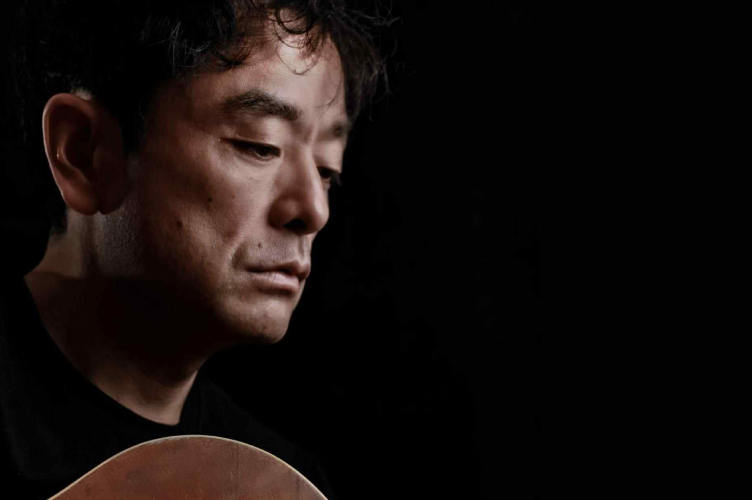
吉他手

大竹研

Ken Ohtake

貝斯手

早川徹

Toru Hayakawa

打擊樂

吳政君

Alex Wu

嗩吶 / 笛子

黃博裕

Huang Po-Yu

鼓手

福島紀明

Noriaki Fukushima

筆手

鍾永豐

Chung Yung-Feng

  • 追蹤訂單
  • 音樂授權
  • 演出邀約
facebook
Youtube
apple music
spotify
instgram

Copyright © Sheng Xiang & Band, Powered by webblize

  • About
  • Albums
  • News
  • Video
  • Shop
  • Contact